


.svg)


.svg)




.svg)

-2.svg)
-1.svg)


.svg)


.svg)
.svg)
.svg)

.svg)

.svg)
.svg)


.svg)

.svg)
.svg)
.svg)
.svg)
.svg)
.svg)
.svg)
.svg)
.svg)


.svg)
.svg)
.svg)
.svg)


.svg)
-1.svg)
.svg)
.svg)
.svg)

.svg)
.svg)

.svg)
.svg)

.svg)
.svg)
.svg)
.svg)
.svg)
.svg)
.svg)
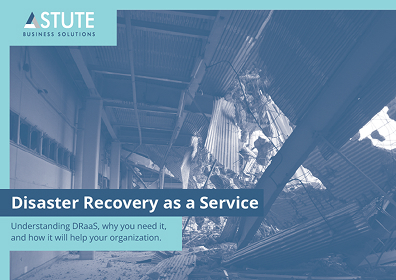
Download this Guide to Learn:
- Why disaster recovery is a critical component of business continuity and how organizations can prepare for both natural and man-made disruptions.
- How Disaster Recovery as a Service uses cloud-based backup, replication, and recovery technologies to minimize downtime and protect critical business operations.
- How organizations reduce infrastructure costs by eliminating the need for dedicated disaster recovery hardware, software, and secondary data centers.
- How DRaaS improves availability, performance, and geographic redundancy while enabling faster recovery during outages and emergencies.
- How cloud-based disaster recovery strengthens security through encryption, authentication controls, automated patching, backup management, and compliance support.
- The limitations and risks organizations should evaluate when selecting a disaster recovery provider, including latency, resource allocation, and business continuity considerations.
- Best practices for selecting the right DRaaS provider and building a disaster recovery strategy that aligns with business objectives and compliance requirements.
Disasters can occur without warning, but downtime and data loss do not have to be inevitable. This guide explains how DRaaS helps organizations improve resilience, reduce recovery time, strengthen security, and maintain business continuity through a scalable cloud-based disaster recovery strategy.