Artificial intelligence is becoming a key consideration for organizations looking to improve how they use enterprise applications. For PeopleSoft customers, the question is not only where AI can help, but also how it can work within the applications and processes they already depend on.
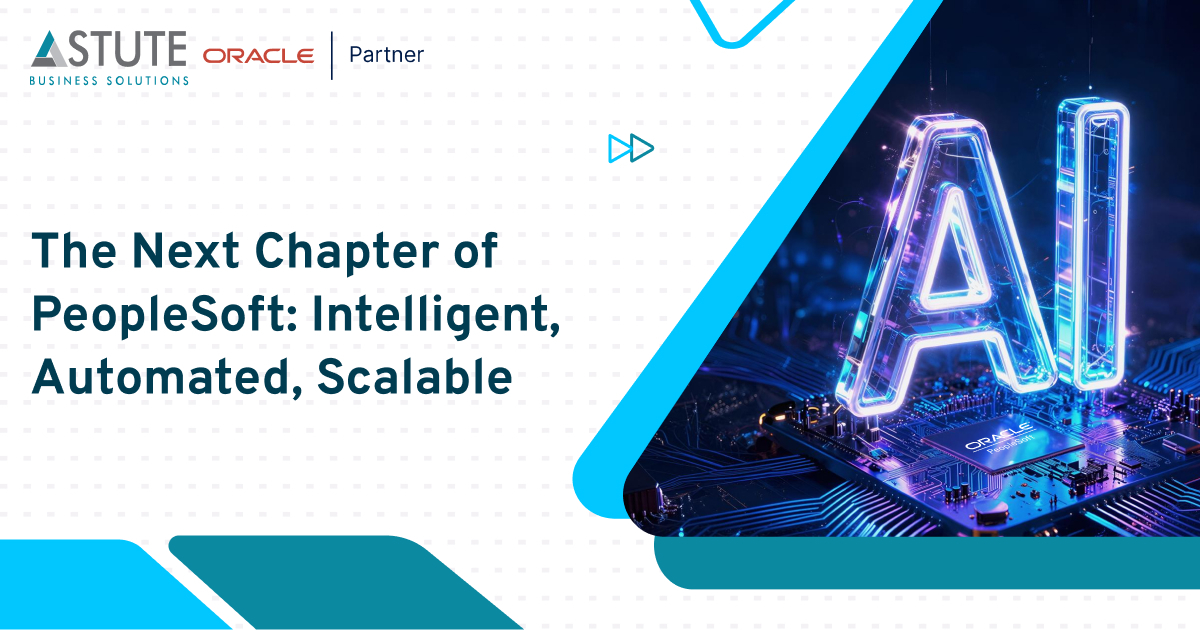
With PeopleTools 8.63, Oracle introduces new AI capabilities designed to support developers, improve how users find information, and create new ways for PeopleSoft to connect with AI applications.
The release introduces capabilities including:
- AI Assistant in Application Designer
- Natural Language Search
- Semantic Search
- Model Context Protocol (MCP) Server Support
These features bring AI closer to the PeopleSoft environment and give organizations new options to consider as they evaluate AI adoption.
AI Assistant in Application Designer: Supporting PeopleSoft Developers
Application development and customization are important parts of many PeopleSoft environments. Developers often spend significant time understanding existing code, troubleshooting issues, and creating new customizations.
PeopleTools 8.63 introduces AI Assistant in Application Designer to help developers work more efficiently within the PeopleSoft development environment.
The AI assistant can support activities such as:
- Generating PeopleCode
- Explaining existing code
- Identifying potential improvements
- Helping troubleshoot issues
- Creating code documentation
Instead of manually reviewing every piece of code or searching through documentation, developers can use AI assistance as part of their development workflow.
This does not replace developer expertise. Instead, it provides another way for developers to interact with application code and improve productivity during development and maintenance activities.
For organizations managing complex PeopleSoft environments, AI-assisted development can help teams spend less time on repetitive tasks and more time focusing on business requirements.
Natural Language Search: Making PeopleSoft Information Easier to Find
Traditional enterprise searches often depend on users knowing the exact terms, navigation paths, or record names they need.
Natural Language Search changes that approach by allowing users to search using everyday language.
Instead of navigating through multiple pages or remembering specific search terms, users can describe what they are looking for in a more conversational way.
For example, a user may want to find information related to a business process without knowing the exact field name or navigation path. Natural Language Search helps bridge the gap between how users think about information and how applications store that information.
For PeopleSoft users, this can create a simpler way to interact with enterprise data and reduce the effort required to locate information.
Organizations should still consider how search experiences align with their business processes, security rules, and data access policies before expanding usage.
Semantic Search: Moving Beyond Exact Keyword Matching
Finding information in enterprise applications is not always about matching exact words.
Users may search for information using different terms, descriptions, or phrases while looking for the same business information.
PeopleTools 8.63 enhances search capabilities through Semantic Search, which focuses on understanding meaning and context rather than relying only on exact keyword matches.
This allows PeopleSoft search experiences to better understand user intent.
For example, a user searching for a concept using different wording may still receive relevant results because the search experience considers the meaning behind the request.
For business users, this can make information discovery easier. For organizations, it creates opportunities to improve how employees interact with PeopleSoft applications.
Semantic Search is especially relevant as enterprises move toward more conversational ways of accessing information.
Model Context Protocol (MCP): Connecting PeopleSoft with AI Applications
As organizations explore AI, one important consideration is how AI applications can securely interact with enterprise systems.
PeopleTools 8.63 introduces Model Context Protocol (MCP) Server Support, which provides a standards-based approach for connecting PeopleSoft data and business logic with external AI systems.
MCP can help AI applications understand and interact with PeopleSoft services while working within existing authorization controls.
This capability creates new possibilities for organizations exploring AI assistants, AI agents, and other AI-powered applications that need access to enterprise information.
However, successful AI adoption requires more than connectivity.
Organizations should evaluate:
- Which PeopleSoft processes are suitable for AI use cases
- What data should be accessible
- How security and authorization should be managed
- How AI interactions should be governed
MCP provides a connection point, but organizations still need a clear strategy for how AI should be used within their PeopleSoft environment.
What Should PeopleSoft Teams Consider Before Adopting AI?
PeopleTools 8.63 introduces important AI capabilities, but every organization will have different priorities.
Before adopting these features, PeopleSoft teams should consider:
- Which business processes could benefit from AI assistance
- Whether current PeopleSoft configurations support the desired use cases
- How users and developers will interact with new AI capabilities
- What security and governance requirements need to be addressed
- How AI adoption fits into broader technology plans
The right approach starts with understanding the available capabilities and identifying where they can provide practical value.
AI adoption does not need to happen all at once. Organizations can begin with targeted use cases, evaluate results, and expand based on business needs.
Moving Forward with AI in PeopleTools 8.63
PeopleTools 8.63 introduces new ways for PeopleSoft customers to think about AI adoption.
From helping developers with Application Designer AI Assistant to improving user search experiences through Natural Language Search and Semantic Search, these capabilities create new options for how organizations interact with PeopleSoft.
MCP Server Support also provides a path for connecting PeopleSoft with emerging AI applications.
For PeopleSoft teams, the next step is understanding these capabilities, evaluating where they fit, and building a practical approach for adoption.
Astute Business Solutions helps organizations evaluate PeopleSoft modernization, Oracle Cloud, and AI opportunities to identify practical paths forward.
Join Our Webinar on AI in PeopleTools 8.63



.svg)


.svg)




.svg)

-2.svg)
-1.svg)


.svg)


.svg)
.svg)
.svg)

.svg)

.svg)
.svg)


.svg)

.svg)
.svg)
.svg)
.svg)
.svg)
.svg)
.svg)
.svg)
.svg)


.svg)
.svg)
.svg)
.svg)


.svg)
-1.svg)
.svg)
.svg)
.svg)

.svg)
.svg)

.svg)
.svg)

.svg)
.svg)
.svg)
.svg)
.svg)
.svg)
.svg)



.svg)